San Clemente highlight
"Spanish Village by the Sea" architecture
San Clemente's downtown features Spanish Colonial Revival architecture with red tile roofs and cream stucco walls, designed starting in 1925 by founder Ole Hanson.
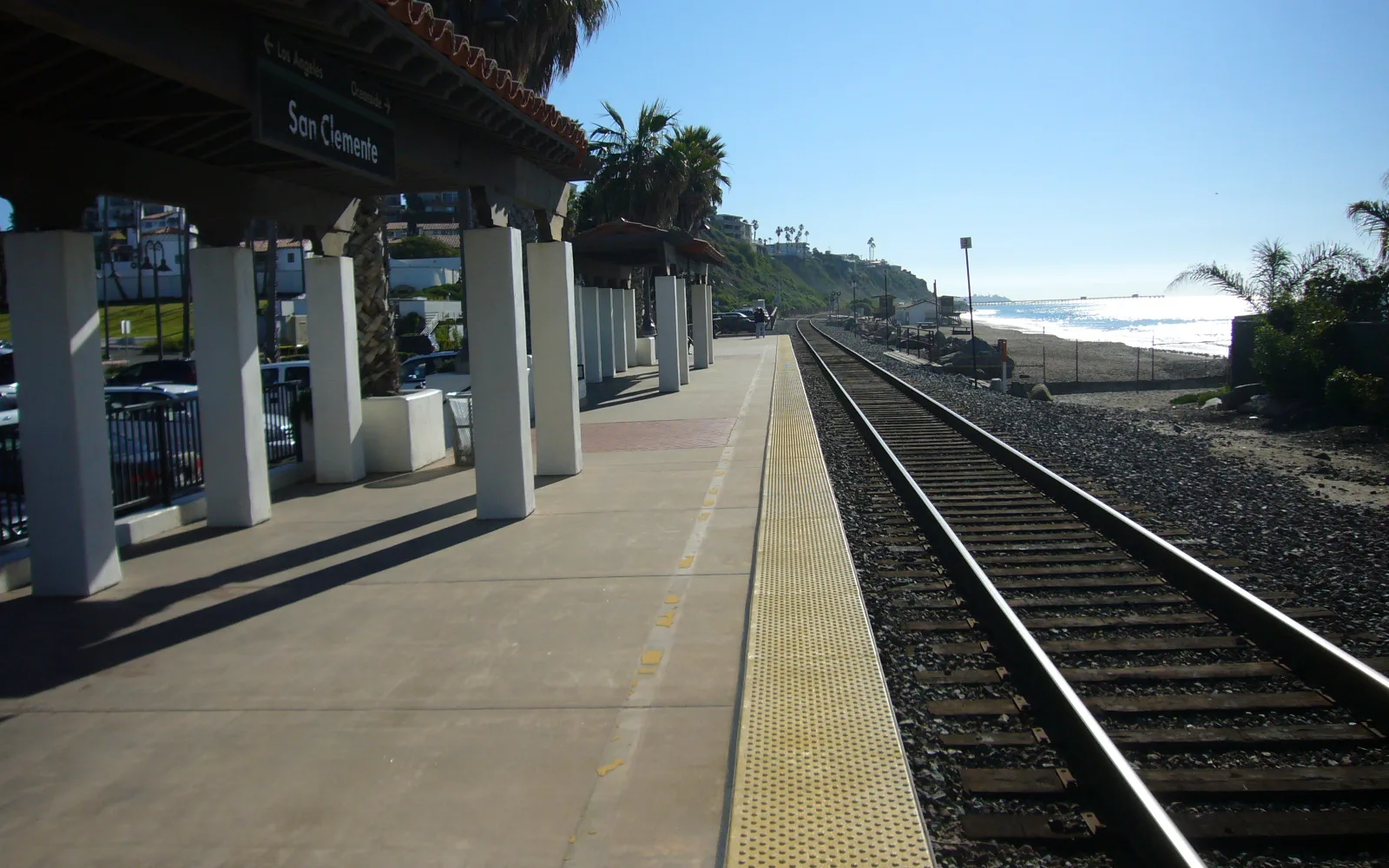
San Clemente was developed beginning in 1925 by Ole Hanson, a former Seattle mayor who envisioned the community as a Mediterranean-style resort town. Hanson purchased the land and implemented strict architectural controls requiring all building plans to be submitted to an architectural review board to preserve a consistent Spanish Colonial Revival aesthetic. The resulting downtown streetscape of red tile roofs, cream stucco walls, and dark wood doors and windows has become the city's defining character.
The architectural covenant established by Hanson became foundational to San Clemente's identity as one of the country's first master-planned communities. Though the controls weakened over time, the downtown core and many established neighborhoods maintain the distinctive Spanish design that continues to attract residents and visitors. The Lasuen district in particular retains the traditional Spanish aesthetic mixed with eclectic residential styles that emerged as the city grew.
Neighborhoods with consistent architectural character tend to build the kind of community bonds that make people think long-term about stability and planning. Whether families chose San Clemente for its walkable downtown, the predictable charm of familiar streetscapes, or simply the Mediterranean climate, the decision to stay is often tied to the people and the life they have built there—which is exactly what a term life insurance policy helps protect.